
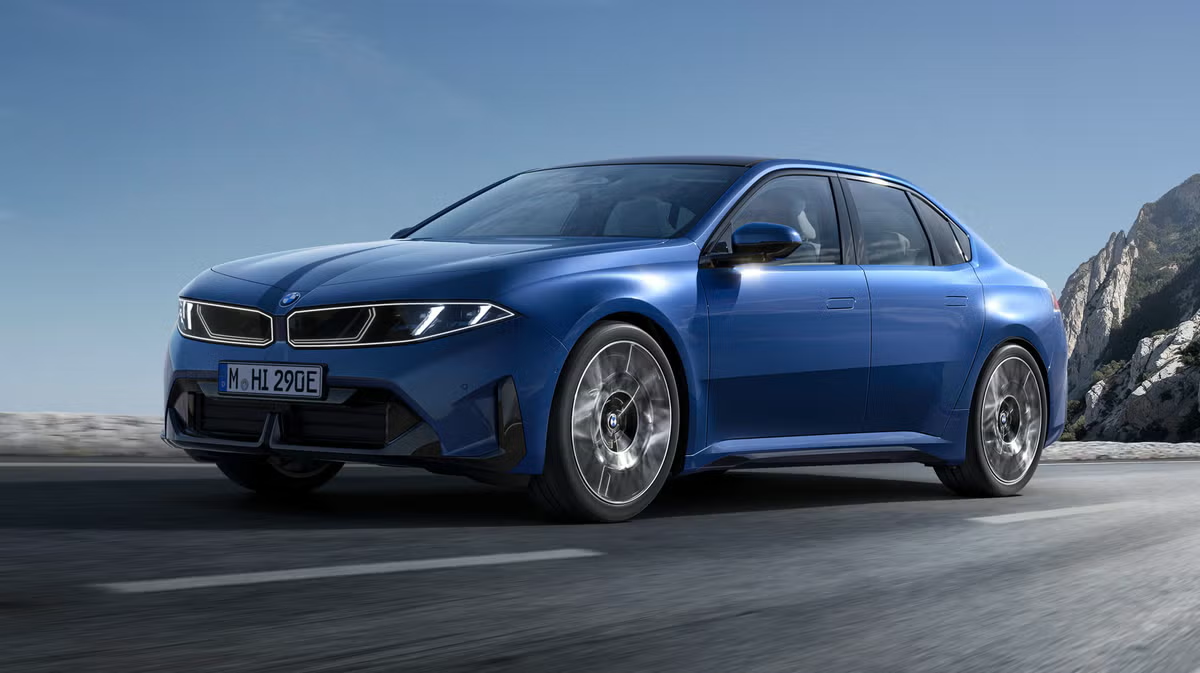
BMW is preparing to revive one of its most recognizable electric vehicle names with the upcoming 2027 BMW i3, but this time the badge will represent something very different. Unlike the original i3 city car that introduced BMW’s electric ambitions more than a decade ago, the new i3 is expected to become a premium electric sedan based on the next generation of the 3 Series platform.
The upcoming model represents a major shift in BMW’s electrification strategy. Instead of creating a separate futuristic-looking EV with a completely different identity, BMW is bringing electric technology directly into one of its most important vehicle families. The result is expected to be a high-tech sports sedan that combines the driving characteristics of the 3 Series with the advantages of BMW’s next-generation electric architecture.
The 2027 BMW i3 could become one of the most important models in BMW’s electric lineup as the company prepares to compete against rivals in the rapidly expanding premium EV segment.
A Completely Different i3
The original BMW i3 was introduced in 2013 as a small urban electric vehicle built around lightweight construction and innovative materials. Its tall hatchback design, carbon-fiber passenger cell, and futuristic interior made it unlike anything else on the road.
The new 2027 BMW i3 follows a completely different philosophy.
Rather than being a compact city car, the next i3 is expected to be positioned as an electric alternative to the BMW 3 Series sedan. It will target buyers who want a premium electric vehicle with sporty handling, advanced technology, and long-distance capability.
This change reflects the growing demand for electric vehicles that can replace traditional luxury sedans rather than serve as secondary city transportation.
Built on BMW’s Neue Klasse Platform
The foundation of the new i3 will be BMW’s next-generation electric vehicle architecture known as Neue Klasse.
This platform represents one of the biggest technological transformations in BMW’s history. It has been designed specifically for electric vehicles rather than adapted from gasoline-powered platforms.
Key advantages of the architecture include:
- Higher energy efficiency
- Improved battery packaging
- Increased driving range
- Faster charging capability
- Reduced vehicle weight
- More advanced software integration
- Greater production flexibility
The Neue Klasse platform is expected to become the foundation for many future BMW electric models.
A Futuristic Design With 3 Series DNA
The 2027 BMW i3 is expected to combine futuristic styling with familiar BMW proportions.
Early previews suggest a design that moves away from some of the controversial styling choices seen on recent BMW models while introducing a cleaner, more aerodynamic appearance.
Expected design elements include:
- Slim LED lighting
- A modern interpretation of the kidney grille
- Smooth aerodynamic body surfaces
- Flush door handles
- Short overhangs
- A sporty sedan profile
Although the vehicle will look different from today’s 3 Series, it is expected to maintain BMW’s traditional focus on driver-oriented proportions.
Electric Performance Expected to Impress
Performance has always been a major part of BMW’s identity, and the i3 is expected to continue that tradition.
Thanks to the advantages of electric motors, the new sedan should deliver instant torque and strong acceleration. Higher-performance versions could potentially compete with some of the quickest electric sedans currently available.
Possible performance highlights include:
- Dual-motor all-wheel drive
- Fast acceleration
- Improved traction control
- Sport-tuned suspension
- Enhanced driving modes
BMW is expected to focus not only on straight-line speed but also on maintaining the engaging handling characteristics that have defined the 3 Series for generations.
Next-Generation Battery Technology
One of the biggest improvements expected with the new i3 is battery technology.
BMW’s Neue Klasse vehicles are designed to use advanced battery cells that provide improvements in energy density, charging speed, and efficiency.
Potential benefits include:
- Longer driving range
- Shorter charging times
- Better cold-weather performance
- Improved battery durability
- More efficient packaging
These advancements could help the i3 compete with leading electric sedans from Tesla, Mercedes-Benz, and other premium manufacturers.
Faster Charging Capability
Charging convenience remains one of the biggest factors influencing EV adoption.
BMW’s next-generation electric vehicles are expected to feature improved charging technology that significantly reduces charging times compared with previous models.
The goal is to make electric vehicles easier to use for long-distance travel while reducing the inconvenience associated with charging stops.
For many buyers, charging speed could become just as important as battery range.
A Software-Focused Interior
The interior of the 2027 BMW i3 is expected to represent a major technological leap.
Modern vehicles are increasingly defined by their software systems, and BMW plans to make digital technology a central part of the driving experience.
Expected interior features include:
- Large digital displays
- Advanced voice controls
- Artificial intelligence functions
- Over-the-air software updates
- Enhanced smartphone integration
- Personalized driver settings
BMW is moving toward a more connected vehicle experience where software updates can improve the car throughout its ownership.
The Next Generation of BMW’s Driver Interface
BMW has been experimenting with new approaches to interior controls, and the i3 is expected to continue that evolution.
The cabin may feature fewer physical buttons and greater reliance on digital interfaces, while still maintaining important driver-focused controls.
A key goal will be balancing futuristic technology with ease of use.
BMW enthusiasts often value intuitive controls and driving involvement, so the company will need to ensure technology enhances rather than distracts from the experience.
Sustainability Beyond Electrification
The new i3 is expected to represent BMW’s broader sustainability goals.
Modern vehicle development focuses not only on reducing emissions during driving but also on improving manufacturing efficiency and material usage.
Future BMW EVs are expected to incorporate:
- Recycled materials
- More sustainable production methods
- Reduced manufacturing emissions
- Improved battery recycling strategies
The goal is to reduce the environmental impact throughout the vehicle’s entire lifecycle.
Competition in the Premium EV Market
The 2027 BMW i3 will enter an increasingly competitive segment.
Potential rivals include:
- Tesla Model 3
- Mercedes-Benz electric sedans
- Audi electric sedans
- Porsche electric models
- Other upcoming premium EVs
Each manufacturer is attempting to define what a luxury electric vehicle should be.
BMW’s advantage will come from combining electric technology with its long-standing reputation for driving dynamics.
Why the New i3 Matters for BMW
The original i3 was an important vehicle because it introduced BMW’s early electric vision.
The new i3 could be even more significant because it represents the transition of one of BMW’s most important nameplates into the electric era.
The 3 Series has been one of BMW’s global success stories for decades. Transforming that formula into an EV is a major test of whether traditional luxury automakers can successfully move customers from gasoline-powered vehicles to electric alternatives.
Final Thoughts
The 2027 BMW i3 is expected to become one of BMW’s most important electric vehicles, bringing the brand’s next-generation technology into a familiar and highly competitive segment. Unlike the original i3, which focused on compact urban mobility, the new model aims to deliver a complete premium sedan experience with advanced electric performance.
Built on the Neue Klasse platform, the upcoming i3 promises improvements in battery technology, charging speed, software, efficiency, and driving dynamics. It represents BMW’s attempt to combine the future of electric mobility with the qualities that made the 3 Series a legendary sports sedan.
If BMW succeeds, the new i3 could prove that electric vehicles do not have to replace traditional driving enjoyment—they can redefine it for a new generation.