
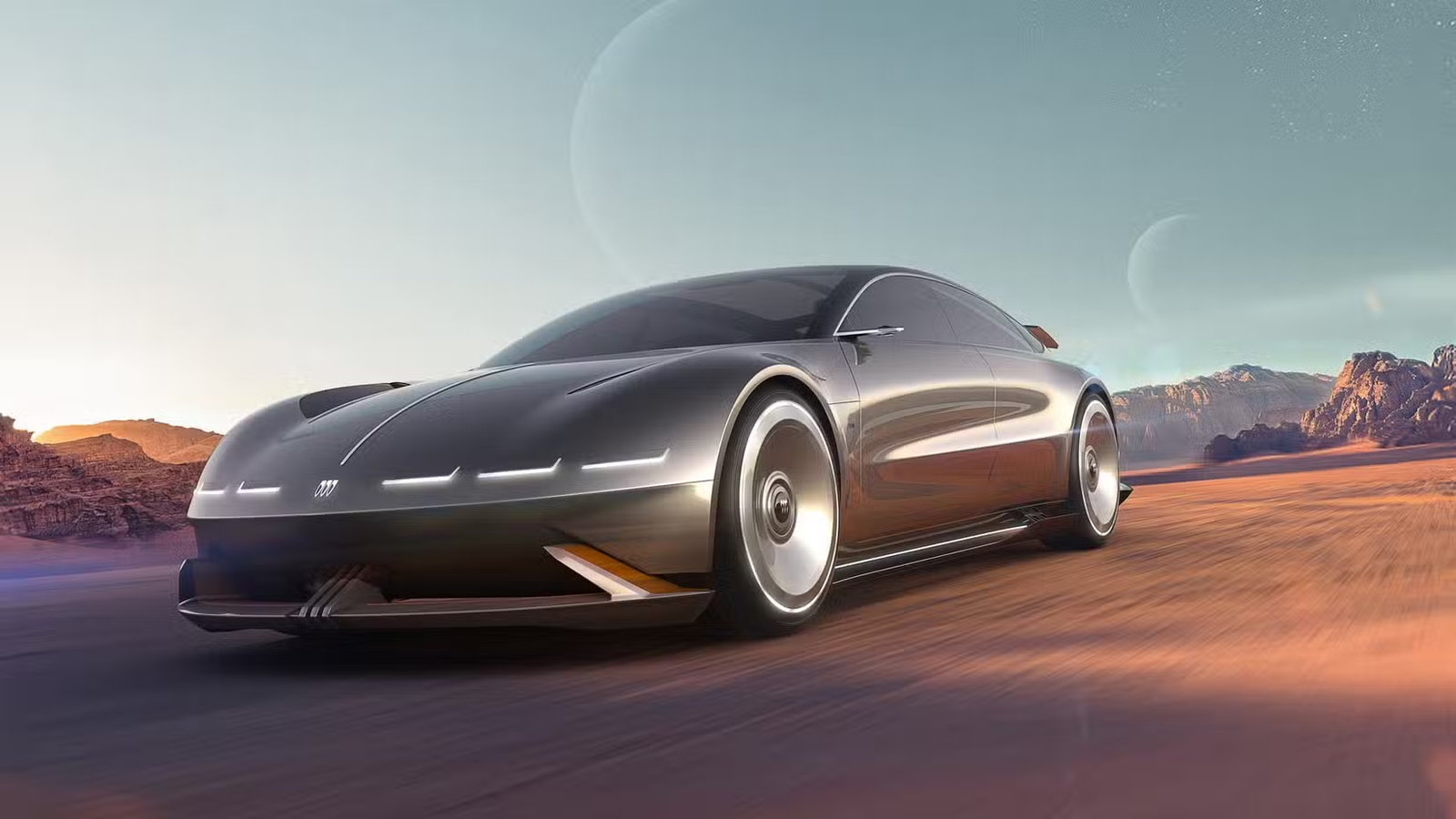
The global automotive industry is undergoing one of the biggest transformations in its history, and nowhere is that change happening faster than in China. Over the past decade, Chinese automakers have evolved from producing affordable domestic vehicles to developing cutting-edge electric cars, advanced battery technologies, and software-driven platforms that rival or even surpass many established global brands.
Meanwhile, the United States remains home to some of the world’s most recognizable automotive manufacturers, with decades of engineering expertise and a strong legacy of innovation. However, compared to the rapid pace of development seen in China, many observers argue that the U.S. auto industry appears to be moving more cautiously. While American companies continue investing billions in electrification and advanced technologies, China’s manufacturers are launching new models, introducing fresh technology, and expanding production at a remarkable speed.
The contrast has sparked an important debate about whether the U.S. industry is adapting quickly enough to remain competitive in an increasingly global marketplace.
China’s Automotive Revolution
China was once viewed primarily as the world’s largest car market, but it has become much more than that. It is now one of the leading centers for automotive innovation, particularly in electric vehicles.
Government support, extensive manufacturing capacity, and a highly competitive domestic market have encouraged rapid development. Automakers are under constant pressure to improve their products while keeping prices competitive, resulting in a fast cycle of innovation.
New vehicle launches occur frequently, and manufacturers often update existing models within just a few years rather than waiting for the traditional product cycles common elsewhere.
A Faster Product Development Cycle
One of the biggest differences between Chinese and American automakers is the speed at which vehicles reach the market.
Many Chinese companies can design, develop, and introduce new models much faster than traditional manufacturers. They rely heavily on digital engineering, flexible production methods, and streamlined decision-making processes.
This allows them to respond quickly to changing consumer preferences and emerging technologies.
By contrast, many U.S. automakers continue to follow longer development timelines that prioritize extensive testing, regulatory compliance, and large-scale manufacturing coordination.
Electric Vehicles Drive Competition
Electric vehicles have become the primary battleground for global automakers.
Chinese manufacturers have invested aggressively in EV technology, offering everything from affordable city cars to premium luxury models with impressive driving ranges and advanced features.
Many brands now compete on:
- Battery performance
- Fast-charging capability
- Software features
- Interior technology
- Autonomous driving functions
- Vehicle connectivity
- Competitive pricing
The intensity of this competition has accelerated innovation across the entire Chinese market.
Software Has Become a Major Advantage
Modern vehicles increasingly function like computers on wheels.
Chinese automakers have embraced this shift by integrating advanced software platforms into many of their vehicles. Large digital displays, voice assistants, connected services, over-the-air updates, and customizable user interfaces have become key selling points.
Many companies release software improvements regularly, allowing owners to receive new features without visiting a dealership.
American automakers have also invested heavily in software development, but integrating these systems into large, established product portfolios can be more complex and time-consuming.
Manufacturing at Massive Scale
China’s manufacturing ecosystem provides another competitive advantage.
Extensive supplier networks, battery production facilities, semiconductor manufacturing, and vehicle assembly plants are located relatively close to one another. This concentration can reduce logistics costs and improve coordination throughout the supply chain.
Large-scale production also enables manufacturers to spread development costs across higher production volumes, potentially lowering per-unit costs.
Battery Leadership
Battery technology remains one of the most important aspects of electric vehicle development.
Chinese companies have invested heavily in battery research, raw material processing, and large-scale production. This has helped create a robust domestic battery supply chain that supports rapid EV growth.
Advances in battery chemistry, charging speeds, durability, and manufacturing efficiency continue to strengthen China’s position in the global electric vehicle market.
Meanwhile, U.S. manufacturers and suppliers are expanding domestic battery production through major investments, but building new facilities and supply chains takes time.
Why the U.S. Moves More Carefully
Although China often appears to move faster, there are several reasons why American automakers typically adopt a more measured approach.
Major considerations include:
- Extensive safety validation
- Regulatory compliance
- Global production requirements
- Legacy manufacturing facilities
- Large dealer networks
- Complex labor agreements
- Long-established supply chains
These factors can slow product development but also help ensure consistent quality and reliability across multiple markets.
Competition Benefits Consumers
The growing rivalry between Chinese and American automakers ultimately benefits buyers.
Manufacturers are investing in:
- Better battery technology
- Improved software
- More advanced safety systems
- Faster charging solutions
- Greater driving range
- Enhanced interior quality
- Lower operating costs
As competition increases, consumers gain access to more capable vehicles with better technology at increasingly competitive prices.
Challenges Facing American Automakers
The U.S. automotive industry still possesses enormous strengths, including world-class engineering talent, globally recognized brands, and extensive manufacturing expertise.
However, several challenges remain:
- Accelerating EV adoption
- Reducing production costs
- Expanding battery manufacturing
- Competing with lower-cost global rivals
- Developing next-generation software platforms
- Securing critical raw materials
- Meeting evolving environmental regulations
Successfully addressing these issues will be essential for maintaining global competitiveness.
America’s Enduring Strengths
Despite concerns about pace, American automakers continue to lead in several important areas.
They have decades of experience building trucks, SUVs, performance vehicles, and commercial fleets that remain highly popular worldwide. Significant investments are also being made in electric trucks, autonomous driving technologies, and advanced manufacturing techniques.
Research partnerships with universities, technology companies, and battery developers continue to support long-term innovation.
These strengths position the U.S. industry to remain a major force in the global automotive market.
The Importance of Global Competition
The automotive industry has become increasingly interconnected.
Innovation developed in one region quickly influences manufacturers around the world. Companies now compete not only on mechanical engineering but also on software, battery technology, manufacturing efficiency, and digital services.
Success increasingly depends on the ability to adapt rapidly while maintaining high standards for safety, reliability, and customer satisfaction.
Rather than viewing competition as a threat, many industry experts see it as a powerful driver of technological progress.
Looking Ahead
The coming years are likely to bring even greater changes as electric vehicles become more common and software plays a larger role in the driving experience.
Chinese manufacturers are expected to continue expanding internationally, while American automakers accelerate investments in electrification, battery production, and connected vehicle technologies.
The race is no longer focused solely on horsepower or styling. It now includes software development, artificial intelligence, battery innovation, manufacturing efficiency, and digital ecosystems.
How effectively each region adapts will shape the future of the global automotive industry.
Final Thoughts
China’s automotive industry has demonstrated an extraordinary ability to innovate quickly, particularly in electric vehicles, battery technology, and software integration. Rapid product development cycles, strong manufacturing capabilities, and intense domestic competition have helped Chinese automakers establish themselves as influential players on the global stage.
The U.S. auto industry, while often moving at a more deliberate pace, continues to benefit from deep engineering expertise, established global brands, and significant investments in next-generation technologies. Its slower approach often reflects the complexity of serving global markets, meeting rigorous safety standards, and managing large manufacturing operations.
Rather than suggesting that one industry is standing still while the other races ahead, the comparison highlights two different strategies for navigating a rapidly changing automotive landscape. As competition intensifies, innovation is likely to accelerate on both sides, ultimately giving consumers more advanced, efficient, and capable vehicles than ever before.